

Introduction
Sandstone has been a popular building material for centuries due to its durability, versatility, and aesthetic appeal. In recent years, a new innovation has emerged in the world of construction and design - cultured sandstone. Cultured sandstone offers a modern twist on this traditional material, providing a wide range of benefits and applications. In this article, we will explore the beauty and versatility of cultured sandstone, examining its characteristics, production process, uses, and advantages.
Characteristics of Cultured Sandstone
Cultured sandstone is a man-made product that replicates the natural beauty and texture of traditional sandstone. It is composed of a mixture of natural materials such as sand, cement, and pigments, which are blended together to create a durable and versatile building material. Cultured sandstone can be customized to mimic the appearance of various types of natural sandstone, including colors, textures, and patterns.
One of the key characteristics of cultured sandstone is its consistency and uniformity. Unlike natural sandstone, which can vary in color and texture due to geological processes, cultured sandstone offers a more predictable and controlled appearance. This makes it an ideal choice for projects that require a consistent aesthetic, such as large-scale developments or commercial buildings.
Another important characteristic of cultured sandstone is its durability. Cultured sandstone is engineered to be resistant to weathering, fading, and staining, making it a long-lasting option for both interior and exterior applications. It is also less prone to cracking and chipping than natural sandstone, providing a more reliable and low-maintenance building material.
Production Process of Cultured Sandstone
The production process of cultured sandstone involves several steps to create a high-quality and customizable material. The first step is to select the raw materials, which typically include sand, cement, water, and pigments. These materials are carefully measured and mixed together in precise proportions to achieve the desired color and texture.
Once the mixture is prepared, it is poured into molds that are designed to replicate the natural patterns and textures of sandstone. The molds are then vibrated or compressed to remove air bubbles and ensure a dense and uniform consistency. The cultured sandstone is then cured and dried in a controlled environment to strengthen the material and enhance its durability.
After the curing process is complete, the cultured sandstone is removed from the molds and inspected for quality control. Any imperfections or irregularities are corrected, and the final product is ready for installation. Cultured sandstone can be further customized with finishes such as polishing, honing, or sealing to enhance its appearance and performance.
Uses of Cultured Sandstone
Cultured sandstone can be used in a wide variety of applications, both indoors and outdoors, due to its versatility and durability. Some common uses of cultured sandstone include:
1. Exterior Cladding: Cultured sandstone is a popular choice for exterior cladding on buildings, facades, and walls. Its weather-resistant properties make it ideal for withstanding the elements and maintaining its appearance over time.
2. Interior Walls and Floors: Cultured sandstone can be used to create stunning feature walls, accent walls, and flooring in residential and commercial spaces. Its customizable colors and textures allow for endless design possibilities.
3. Countertops and Vanities: Cultured sandstone is a practical and stylish option for countertops, vanities, and other surfaces in kitchens and bathrooms. Its non-porous nature makes it resistant to stains and easy to clean.
4. Fireplace Surrounds: Cultured sandstone can add a touch of elegance and warmth to any living space as a fireplace surround. Its heat-resistant properties make it a safe and durable choice for this application.
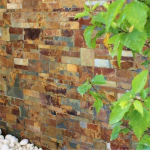
5. Landscaping Features: Cultured sandstone can be used to create beautiful landscaping features such as garden walls, pathways, and outdoor seating areas. Its natural appearance blends seamlessly with outdoor environments.
Advantages of Cultured Sandstone
Cultured sandstone offers several advantages over natural sandstone and other building materials, making it a popular choice for architects, designers, and homeowners alike. Some of the key advantages of cultured sandstone include:
1. Cost-Effective: Cultured sandstone is typically more affordable than natural sandstone due to its controlled production process and lower material costs. This makes it a cost-effective option for large-scale projects or budget-conscious homeowners.
2. Customizable: Cultured sandstone can be customized to match the specific design requirements of a project, including colors, textures, and patterns. This flexibility allows for greater creativity and personalization in design.
3. Consistency: Cultured sandstone offers a consistent appearance and quality across all pieces, ensuring a cohesive and harmonious aesthetic in any application. This consistency is especially important for projects that require uniformity and precision.
4. Durability: Cultured sandstone is engineered to be durable and long-lasting, with resistance to weathering, fading, and staining. Its low-maintenance properties make it a practical choice for both interior and exterior applications.
5. Sustainability: Cultured sandstone is an environmentally friendly building material that reduces the need for quarrying natural stone. By using recycled materials and minimizing waste, cultured sandstone helps to conserve natural resources and reduce carbon emissions.
Conclusion
Cultured sandstone is a versatile and aesthetically pleasing building material that offers a modern alternative to natural sandstone. With its customizable colors, textures, and patterns, as well as its durability and cost-effectiveness, cultured sandstone is a popular choice for a wide range of applications in construction and design. Whether used for https://www.fs-slate.com/ledgestone/ cladding, interior walls, countertops, or landscaping features, cultured sandstone provides a timeless and elegant look that enhances any space. As the demand for sustainable and innovative building materials continues to grow, cultured sandstone is poised to become a staple in the construction industry for years to come.